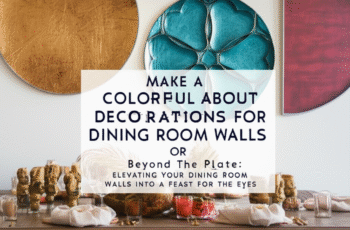
The Art of the Feast: Designing a Dining Room That Dazzles and Delights
More than just a table and chairs, the dining room holds a unique and treasured place in the modern home. It’s where daily nourishment meets momentous celebrations, where laughter echoes around shared meals, and where connections are forged and strengthened. In an era increasingly dominated by casual living and open-plan spaces, the dedicated dining room, or a thoughtfully designed dining zone, stands as a testament to the enduring power of gathering around food.
Designing a dining room isn’t merely about aesthetics; it’s about crafting an experience. It’s a delicate balance of functionality, comfort, ambiance, and personal expression. From intimate family dinners to grand holiday feasts, the ideal dining space adapts, inviting warmth, conversation, and a sense of occasion. This comprehensive guide will explore the multifaceted considerations for designing a dining room that not only looks stunning but also feeds the soul and delights the eye.
1. Defining Your Dining Room’s Purpose and Personality
Before selecting a single piece of furniture, the first step is introspection. How do you envision using this space?
- Formal & Infrequent? If it’s primarily for special occasions and entertaining, you might lean towards more elaborate designs, finer materials, and a grander scale.
- Casual & Daily? For everyday family meals, durability, comfort, and ease of cleaning will be paramount.
- Multi-functional? Does it double as a homework station, a crafting area, or a home office during off-hours? This will influence storage and surface choices.
Understanding its primary role will guide every subsequent decision, from the choice of table to the color palette and lighting.
2. The Foundation: Layout and Flow
The layout of your dining room is critical for comfort and functionality.
- Space Clearances: Ensure there’s ample room for chairs to be pulled out and for people to move around the table comfortably. A general rule of thumb is at least 36-48 inches (90-120 cm) of clearance between the edge of the table and the nearest wall or furniture piece.
- Traffic Paths: Consider how people will move through the room, especially if it’s a thoroughfare to other areas. Avoid placing furniture in ways that obstruct natural pathways.
- Proximity to the Kitchen: Ideally, the dining room should be easily accessible from the kitchen, minimizing the trek for serving and clearing.
3. The Central Star: The Dining Table
The dining table is the undisputed focal point of the room, dictating both style and capacity.
- Shape:
- Rectangular: The most common, offering ample surface area and accommodating many guests. Great for long, narrow rooms.
- Round: Promotes intimate conversation as everyone can see each other. Excellent for smaller or square rooms, and often feels less formal.
- Square: Similar to round for intimacy but can feel blocky in larger spaces. Works well in square rooms.
- Oval: Offers the benefits of a rectangular table with the softer edges of a round one, making movement around it easier.
- Size: Consider how many people you typically seat and how many you want to seat for special occasions. Extendable tables are a fantastic solution for flexibility. Allow approximately 24-30 inches (60-75 cm) of table edge per person.
- Material:
- Wood: Classic, warm, durable, and versatile. Options range from rustic reclaimed wood to sleek polished finishes.
- Glass: Modern, light, and creates an illusion of space, but shows fingerprints easily.
- Marble/Stone: Luxurious, durable, and cool to the touch, but heavy and can be prone to staining.
- Metal: Industrial, contemporary, or minimalist, often paired with other materials.
4. Seating Solutions: Dining Chairs
Comfort is king when it comes to dining chairs. You want guests to linger, not rush away due to discomfort.
- Comfort: Look for good lumbar support, adequate seat depth, and a comfortable height relative to the table (typically 10-12 inches between seat and tabletop).
- Style: Chairs don’t have to perfectly match the table, but they should complement it. Mixing and matching (e.g., upholstered end chairs with wooden side chairs) can add visual interest.
- Material: Wood, metal, plastic, or upholstered. Upholstered chairs offer superior comfort and can introduce texture and color, but may require more careful cleaning.
- Arms vs. Armless: Armless chairs are more space-efficient. Armchairs can add a touch of formality and comfort, especially at the ends of the table, but ensure they can tuck under the table.
- Benches/Banquettes: Excellent for maximizing seating in smaller spaces or creating a cozy, built-in feel.
5. Storage & Serving: Sideboards, Buffets, and Hutches
These pieces are functional workhorses that also contribute significantly to the room’s aesthetic.
- Sideboard/Buffet: Perfect for storing linens, flatware, serving dishes, and can act as a serving station during meals.
- Hutch/China Cabinet: Ideal for displaying treasured china, glassware, or decorative items, adding height and visual interest.
- Bar Cart: A stylish and portable addition for entertaining, offering a dedicated space for drinks.
- Proportion: Ensure these pieces are proportionate to the room and the dining table, neither overwhelming nor insignificant.
6. The Mood Setter: Lighting
Lighting is perhaps the most crucial element in defining the dining room’s ambiance. Layered lighting is key.
- Ambient Lighting: A chandelier or pendant fixture centered over the dining table is a classic choice. Its size should be proportionate to the table (diameter roughly half the width of the table). Hang it so the bottom is 30-36 inches (75-90 cm) above the tabletop.
- Task Lighting: Sconces on the walls or recessed lights can provide additional illumination where needed, such as over a sideboard.
- Accent Lighting: Picture lights highlighting artwork, or dimmable lamps on a buffet, add warmth and depth.
- Dimmers: Absolutely essential! They allow you to adjust the mood from bright and functional for daily use to soft and intimate for entertaining.
- Candlelight: Don’t underestimate the power of natural flame for creating an unparalleled cozy and romantic atmosphere.
7. Color Palette and Materials: Setting the Tone
The colors and materials you choose will profoundly impact the room’s overall feel.
- Color Psychology:
- Warm Colors (Reds, Oranges, Yellows): Can stimulate appetite and conversation, creating an energetic and inviting atmosphere.
- Cool Colors (Blues, Greens, Grays): Can promote a sense of calm and sophistication.
- Neutrals (Beiges, Whites, Greys): Provide a versatile backdrop, allowing furniture and accessories to shine, and can make a room feel larger.
- Materials & Textures: Combine different textures to add richness and depth. Think about the interplay of polished wood, soft upholstery, metallic accents, rough linen, and smooth glass. Consider durability and ease of cleaning, especially for chairs and tabletops.
8. The Finishing Touches: Textiles and Accessories
These elements infuse personality and warmth into the space.
- Rugs: A rug under the dining table grounds the space, adds warmth, defines the area, and can absorb sound. Ensure it’s large enough so that chairs remain on the rug even when pulled out (at least 24 inches wider than the table on all sides). Choose a low-pile, durable material for easy cleaning.
- Window Treatments: Drapes, blinds, or shades offer privacy, control light, and add softness and style. Their fabric and design should complement the room’s overall aesthetic.
- Art and Mirrors: Artwork adds character and a focal point. A large mirror can reflect light, make the room feel larger, and add a touch of glamour.
- Centerpieces: Change them seasonally or for special occasions. Flowers, candles, decorative bowls, or sculptural pieces can elevate the table’s appearance.
- Table Linens: Napkins, placemats, and tablecloths are easy ways to introduce color, pattern, and texture, transforming the table for any occasion.
9. Beyond Aesthetics: Practical Considerations
- Acoustics: Hard surfaces can make a dining room echo. Rugs, upholstered chairs, and drapes can help absorb sound, making conversations more comfortable.
- Maintenance: Choose materials that are easy to clean and maintain, especially for daily-use dining rooms. Stain-resistant fabrics, sealed wood, and durable finishes are wise choices.
- Ventilation: Good airflow is important, especially after a large meal.
- Future-Proofing: Consider pieces that can adapt to changing tastes or needs, such as extendable tables or versatile storage units.
10. Embracing Style Personalities
The beauty of design lies in its diversity. Here are a few popular dining room styles:
- Modern/Contemporary: Clean lines, minimal ornamentation, neutral palette with pops of color, mixed materials (glass, metal, sleek wood).
- Traditional: Rich woods, ornate details, classic patterns, upholstered chairs, formal chandeliers.
- Farmhouse/Rustic: Reclaimed wood, distressed finishes, natural textures, comfortable seating, often with a large, sturdy table.
- Scandinavian: Light wood, simple forms, functional design, white or muted color palettes, focus on natural light.
- Transitional: A blend of traditional and contemporary elements, offering a balance of classic comfort and modern simplicity.
- Industrial: Exposed brick, metal accents, concrete, raw wood, utilitarian lighting.
- Bohemian: Eclectic mix of patterns, textures, global influences, vintage finds, vibrant colors, relaxed seating.
Conclusion: A Space for Connection
Designing a dining room is a deeply personal journey. It’s about more than just filling a space; it’s about crafting an environment that supports the fundamental human need for connection and shared experience. By carefully considering functionality, comfort, lighting, and aesthetics, you can create a dining room that not only serves its purpose beautifully but also becomes a cherished heart of your home – a place where memories are made, stories are told, and every meal feels like a special occasion. So, go forth and design a dining room that truly feeds your soul.
The Art of the Feast: Designing a Dining Room That Dazzles and Delights pictures collections gallery
The Art of the Feast: Designing a Dining Room That Dazzles and Delights is a nice pictures and stock photo for your computer desktop or your smartphone device (ipad, tablet, blackberry, iphone, and other device) and also for your personal use. Free available for desktop wallpaper or additional image collections for your all needs. And was uploaded by at date March 4, 2026. You can download it in your computer by clicking download button to save image... have nice day and have fun guys..
This 1 image in featured post from 0 Photos/images Gallery and awesome picture selections about The Art of the Feast: Designing a Dining Room That Dazzles and Delights is available to download. "Download & Save" images/pictures/wallpapers now and this Is one of the post that listed in packed to Category is Home Designs directory, with image dimension/resolution size is × px and size image/picture file is with original link post ID is : https://powae.pw/the-art-of-the-feast-designing-a-dining-room-that-dazzles-and-delights/. Get download/save images in post and gallery, "download" images or "preview" it on a bigger image for spesification sample in Large size (full attachment size) here : [Download & View to Large size]. Just Simple way, in thumbnail or in Gallery. *Click images to view Large Size.We collect this wonderful image from online and choose one of the best for you. Pictures collection that posted here was carefully chosen and published by author after choosing the ones which are best among the others. So, ultimately we make it and here these list of best image for your inspiration and informational reason regarding the The Art of the Feast: Designing a Dining Room That Dazzles and Delights as part of blogsite exclusive updates collection. So, take your time and find the best informations and pictures posted here that suitable with your needs and use it for your own collection and personal use. About Image information: Image has been submitted and You are able to give your opinion as evaluations to our web site value.
Don't forget to comment if you interest with this images, you can share this post to social media like as facebook, twitter, google+, pinterest, stumbleupon, and more. just click social media buttons for share this post The Art of the Feast: Designing a Dining Room That Dazzles and Delights Now. :)
Thanks for your visit, I hope you happy come to opo wae, wis opo wae, and get what you're looking for. And hope sometimes you will come back again here. All you need to do is help us develop by discussing this The Art of the Feast: Designing a Dining Room That Dazzles and Delights if you like it "leave your comment". have fun, Thank you.